If you are comparing a tanning peptide with sun tanning and self-tanner, the first thing to know is this: the option that looks longest-lasting is not always the option that is best for your skin. At Drip Lounge, our clinical team talks about this through the lens of clinical excellence, wellness protocols, and preventative health. People often want a bronzed look, but they also want to protect skin quality, avoid unnecessary risk, and choose options that fit a more personalized wellness plan.
If the question is purely, “Which usually lasts longest?” the practical answer is:
- Tanning peptide / Melanotan II: may seem to last longer while in active use, but it comes with major safety and regulatory concerns.
- Sun tanning: can last longer than self-tanner in some people, but it comes with UV damage, premature skin aging, and skin-cancer risk.
- Self-tanner: usually fades faster, but it is the safest cosmetic route for a tanned look.
From a skin-health perspective, self-tanner is usually the best beauty-first option because it gives color without UV exposure. The American Academy of Dermatology recommends self-tanner instead of tanning from the sun or tanning beds because tanning damages DNA in the skin and speeds premature aging.
Explore peptide therapy in NYC with a provider-guided consultation at Drip Lounge.
What Is a Tanning Peptide?
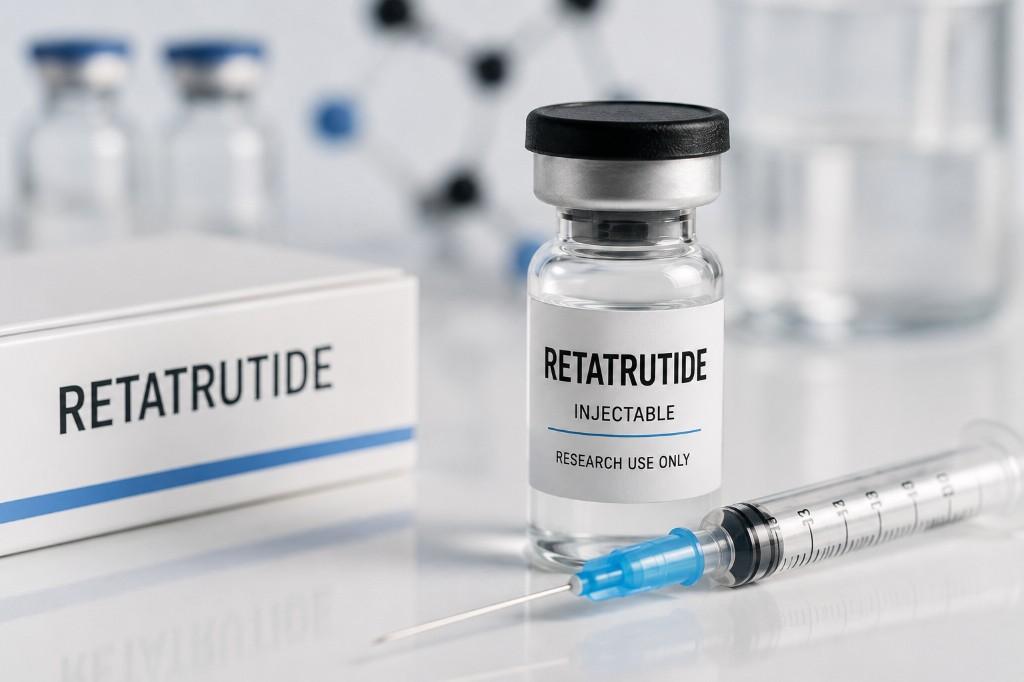
In beauty and peptide discussions, “tanning peptide” usually refers to Melanotan II (Tanning & Skin) or related products marketed to increase skin pigmentation.
Melanotan II is a synthetic melanocortin analog. It is not FDA-approved for any therapeutic indication, and FDA materials show the agency has treated Melanotan II as an unapproved new drug in the U.S.
That is why this category needs careful, honest language. It should not be presented like a normal skincare product or casual beauty hack.
How Long Does a Tanning Peptide Last?
This is where a lot of internet content becomes misleading.
Cleveland Clinic notes that with nasal tanning sprays, the effect only lasts for as long as you keep using the product. When you stop, melanin levels decline and the tan starts to fade.
So while many people perceive tanning peptides as “longer lasting,” the better way to say it is:
- they may create a more sustained pigmentation effect while in active use
- but the color still fades over time
- and the category carries meaningful safety, sourcing, and regulatory concerns
Melanotan II has also been associated in reports and reviews with side effects such as nausea, flushing, fatigue, spontaneous erections/priapism, and other adverse events.
Read more: Where to Buy Wolverine Stack Peptides: What to Know Before Choosing a Provider
How Long Does a Sun Tan Last?
A UV tan usually fades as your skin naturally turns over. In many people, it may last around a week or a little longer, depending on baseline skin tone, how dark the tan became, exfoliation, and ongoing sun exposure. A common consumer-health estimate is roughly 7 to 10 days before visible fading becomes more noticeable.
But duration is only part of the story. Both the NHS and Cleveland Clinic make the bigger point clearly: UV exposure contributes to premature skin aging, wrinkles, and skin-cancer risk.
That means a natural-looking tan may last longer than self-tanner in some people, but it comes at the cost of actual skin damage.
How Long Does Self-Tanner Last?
Self-tanner usually gives the shortest-lasting result, but it is also the safest cosmetic option of the three.
Cleveland Clinic explains that DHA-based self-tanning color typically begins developing in 2 to 4 hours and can continue to deepen over 24 to 72 hours. Dermatology and consumer references commonly place the visible result in the range of about 5 to 10 days, depending on preparation, aftercare, skin turnover, and how dark the product is.
The American Academy of Dermatology specifically recommends self-tanner if you want to look tan, while also reminding people that self-tanner does not protect against the sun.
Read more: KPV Peptide: Anti-Inflammatory Benefits Explained
Which Lasts Longest, Practically Speaking?
If someone is asking purely about visible color duration, the general comparison is:
1. Tanning peptide
May appear to last longest while actively used, but this is the highest-risk and least straightforward option.
2. Sun tanning
May last longer than self-tanner for some people, but it comes with real UV damage.
3. Self-tanner
Usually fades sooner, but it is the most skin-conscious cosmetic route.
At Drip Lounge, that is the key clinical insight: the “longest-lasting” option is not automatically the smartest option for skin health or long-term beauty goals.
Clinical Insight From the Drip Lounge Team
From the perspective of Drip Lounge’s licensed nurse practitioners and clinical team, the more useful question is not just “Which lasts longest?” It is:
- What gives the look you want?
- What protects skin quality over time?
- What fits your broader wellness goals?
- What has the safest risk profile?
People comparing options often look for board-certified providers, licensed nurse practitioners, and clinics built around clinical excellence. That matters because beauty choices live inside a bigger skin-health story. If a person is chasing color but accelerating photoaging, worsening pigment instability, or ignoring sun safety, that is not really a beauty win.
What to Expect During Your Visit
At Drip Lounge, a tanning and skin-wellness conversation would not start with hype. It would start with fit.
A real consultation may include:
- your skin tone and pigmentation history
- history of melasma, photosensitivity, or uneven pigmentation
- current skincare and sun habits
- travel, event, or seasonal goals
- aesthetic priorities such as glow, even tone, or skin quality
- whether a cosmetic route like self-tanner makes more sense than a peptide conversation
That is part of Drip Lounge’s personalized wellness philosophy. The point is not to force every client into the most aggressive option. The point is to guide the safest, most appropriate one.
Read more: The Wolverine Stack for Athletes: Recovery, Muscle Repair, and Training Longevity
The Skin-Health Tradeoff Most People Miss
Many people chase a tan because they associate it with health, glow, and attractiveness. But tanning and skin health are not the same thing.
The American Academy of Dermatology says that every time you tan or get a sunburn, you damage DNA in the skin. It also states that tanning from the sun, tanning beds, or indoor tanning equipment speeds premature aging.
So even if sun tanning “lasts longer” than self-tanner, it may also:
- worsen fine lines
- increase uneven pigmentation
- increase skin-cancer risk
- work against long-term collagen goals
A Better Beauty-First Framework
For most beauty-focused clients, the most practical framework is:
- Want the safest cosmetic tan? Use self-tanner.
- Want better skin quality overall? Focus on skin health, collagen support, hydration, and preventive care.
- Thinking about peptides? Have a real consultation instead of treating gray-market products like skincare.
That is where the Drip Lounge approach is different. It is less about trendy shortcuts and more about medically guided choices that support both aesthetics and long-term skin health.
Read more: Peptide That Makes You Look Tan? What Science Says About Tanning Peptides
Local Care and Mobile Support
Drip Lounge supports clients across Newburgh, Middletown, Peekskill, Sloatsburg, Washingtonville, Rhinebeck, Scarsdale, Westchester, Amenia, Purchase, Wappingers Falls, Highland, New York City, New Paltz, Fishkill, Brooklyn, Queens, Bronx, Staten Island, and Greenwich.
The team also offers mobile treatment capabilities for homes, hotels, and events, which can be helpful for clients managing beauty, wellness, and recovery goals around travel, special occasions, and busy schedules.
Book a Consultation With Drip Lounge
If you are comparing Melanotan II (Tanning & Skin), UV tanning, and self-tanner and want a more responsible conversation about skin health, appearance goals, and personalized wellness protocols, Drip Lounge offers consultation-first guidance built around safety, aesthetics, and long-term skin quality. Book a peptide consultation or contact us to get started.
Learn more about online telehealth consultations.
Frequently Asked Questions
Which lasts longer: tanning peptide, sun tan, or self-tanner?
A tanning peptide may appear longest-lasting while actively used, followed by a UV tan, then self-tanner. But longer-lasting does not mean safer. For most people focused on skin health, self-tanner is the best cosmetic option because it avoids UV damage and tanning-bed exposure.
Is Melanotan II FDA-approved?
No. Melanotan II is not FDA-approved for therapeutic use in the United States. FDA materials have treated it as an unapproved new drug, which is one reason it should not be discussed like a routine beauty product.
Is self-tanner safer than sun tanning?
Yes, for appearance alone, self-tanner is generally the safer option because it does not require UV exposure. Dermatologists recommend self-tanner if you want a bronzed look without the skin damage linked to sun tanning or tanning beds.
Does a self-tanner protect your skin from the sun?
No. The American Academy of Dermatology says a self-tanner does not protect your skin from the sun. You still need sunscreen and normal sun-protection habits.
Why do dermatologists discourage tanning beds and repeated sun tanning?
Because UV exposure is tied to premature skin aging and increased skin-cancer risk. The AAD reports that indoor tanning is associated with higher melanoma risk and increased rates of squamous cell and basal cell carcinoma.
This article is for educational purposes only and does not constitute medical advice. Melanotan II and related tanning peptides are not FDA-approved for therapeutic use in the United States. Always consult a qualified provider before beginning any new wellness or aesthetic protocol.